
What is Multiple Myeloma?
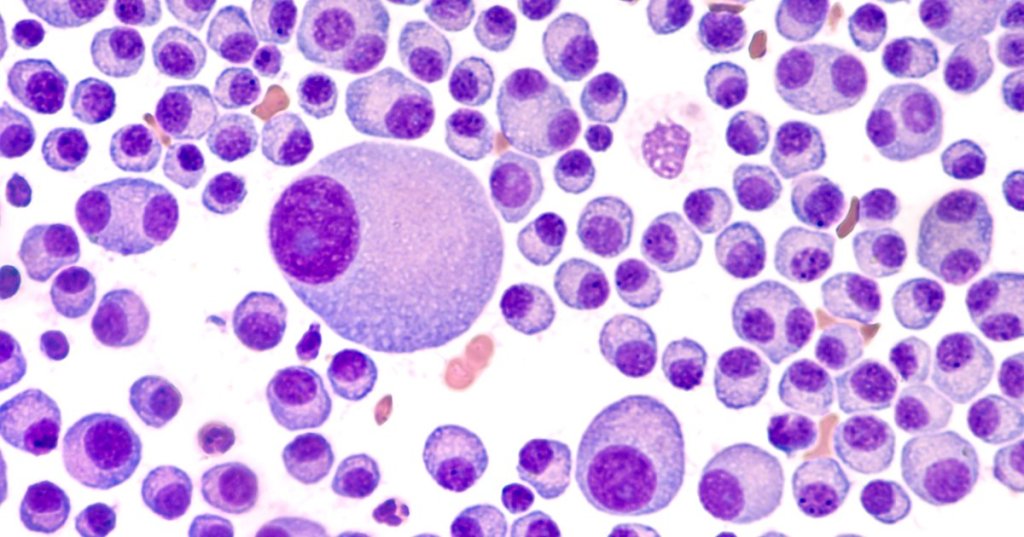
- Myeloma, also called multiple myeloma, is a cancer of the plasma cells. Plasma cells are white blood cells that make antibodies that protect us from infection. In myeloma, the cells grow too much, crowding out normal cells in the bone marrow that make red blood cells, platelets, and other white blood cells.
Source: Centers for Disease Control and Prevention (CDC). (2019, July 8). Myeloma | CDC. https://www.cdc.gov/cancer/myeloma/index.htm
Who does it affect?

- Scientists don’t understand why some people get myeloma and others don’t. Age is the most significant risk factor for developing myeloma. People younger than 45 years old rarely develop the disease. Men are more likely than women to develop myeloma, and myeloma is more than twice as common among black people as among white people. In rare cases, exposure to X-rays or other kinds of ionizing radiation may be a risk factor for developing myeloma.
Source: Centers for Disease Control and Prevention (CDC). (2019, July 8). Myeloma | CDC. https://www.cdc.gov/cancer/myeloma/index.htm
- The estimated number of potential patients within the Company’s geographic scope is 2,246.
- In the United States, one in 132 people will be diagnosed with multiple myeloma.
- In 2020, there will be approximately 32,270 new cases of multiple myeloma diagnosed in the United States. Approximately 12,830 deaths are expected from the disease in 2020.
- In Texas, approximately 2,246 people were expected to be diagnosed with multiple myeloma, and an estimated 964 deaths are expected from the disease in 2020.
Source: “MULTIPLE MYELOMA.” Texas Oncology, https://www.texasoncology.com/cancer-blood-disorders/cancer-facts/multiple-myeloma.
What are the symptoms?
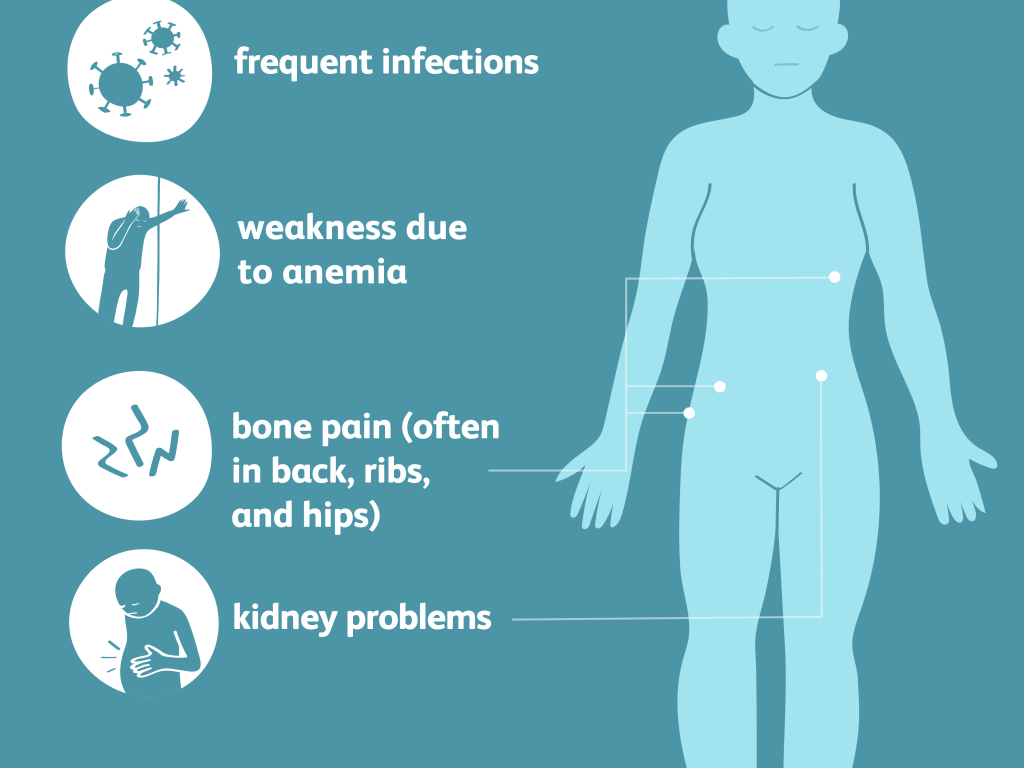
- Sometimes myeloma does not cause any symptoms. It may be found when a blood or urine test is done for another condition and a higher than normal level of protein is found. When more advanced, symptoms of myeloma may include bone pain, especially in the back or ribs; bones that break easily; fever for no known reason; frequent infections; bruising or bleeding easily; trouble breathing; weakness of the arms or legs; and feeling very tired.
- These symptoms can also come from other conditions. If you have any of them, talk to your doctor.
Source: Centers for Disease Control and Prevention (CDC). (2019, July 8). Myeloma | CDC. https://www.cdc.gov/cancer/myeloma/index.htm
Treating Multiple Myeloma
- Who treats multiple myeloma?
- Based on your treatment options, you might have different types of doctors on your treatment team. These doctors could include:
- An orthopedic surgeon: a doctor who uses surgery to treat diseases of the bones
- A radiation oncologist: a doctor who treats cancer with radiation therapy
- A medical oncologist: a doctor who treats cancer with medicines such as chemotherapy or targeted therapy
- A bone marrow transplant specialist: A cancer doctor who specializes in performing bone marrow transplants
- You might have many other specialists on your treatment team as well, including physician assistants (PAs), nurse practitioners (NPs), nurses, psychologists, nutritionists, social workers, and other health professionals.
- Health Professionals Associated with Cancer Care
- Based on your treatment options, you might have different types of doctors on your treatment team. These doctors could include:
Source: American Cancer Society. (n.d.). Treating Multiple Myeloma. Https://Www.Cancer.Org/Cancer/Multiple-Myeloma/Treating.Html. Retrieved August 18, 2020, from https://www.cancer.org/cancer/multiple-myeloma/treating.html
Local Treatments
- Some treatments are called local therapies. This means they treat the tumor without affecting the rest of the body. These treatments are more likely to be useful for earlier stage (less advanced) cancers, although they might also be used in some other situations.
- Surgery for Multiple Myeloma
- Radiation Therapy for Multiple Myeloma
Source: American Cancer Society. (n.d.). Treating Multiple Myeloma. Https://Www.Cancer.Org/Cancer/Multiple-Myeloma/Treating.Html. Retrieved August 18, 2020, from https://www.cancer.org/cancer/multiple-myeloma/treating.html
Systemic Treatments
- Multiple myeloma can also be treated using drugs, which can be given by mouth or directly into the bloodstream. These systemic therapies can reach cancer cells anywhere in the body.
- Drug Therapy for Multiple Myeloma
- Stem Cell Transplant for Multiple Myeloma
- Supportive Treatments for Patients with Multiple Myeloma
Source: American Cancer Society. (n.d.). Treating Multiple Myeloma. Https://Www.Cancer.Org/Cancer/Multiple-Myeloma/Treating.Html. Retrieved August 18, 2020, from https://www.cancer.org/cancer/multiple-myeloma/treating.html
Common Treatment Approaches
- Depending on the stage of the cancer, whether or not you are a candidate for a stem cell transplant, and other factors, different types of treatment may be combined at the same time or used after one another.
- Treatment Options for Multiple Myeloma, by Stage
Source: American Cancer Society. (n.d.). Treating Multiple Myeloma. Https://Www.Cancer.Org/Cancer/Multiple-Myeloma/Treating.Html. Retrieved August 18, 2020, from https://www.cancer.org/cancer/multiple-myeloma/treating.html
 LRW Foundation